
Signadot Blog
-
 Ephemeral EnvironmentsDeveloper Experience
Why the SDLC Workflow is Broken with many Microservices
The five stages a change passes through when a developer owns a few of many microservices, why shared staging turns the last one into a bottleneck, and three steps to fix the workflow.
-
 Kubernetes
Istio’s Graduation with the Cloud Native Computing Foundation
What Istio's CNCF graduation means for microservices and Kubernetes platforms, how Istio works with Cilium and supplies observability signals, and which other projects have graduated.
-
 Local DevelopmentEphemeral Environments
Bridging the Gap: Developer Environments powered by Istio Mesh
Signadot Sandboxes can now include a microservice running on your workstation, tested against dependencies in a shared Kubernetes cluster on Istio, with data isolation and Route Groups.
-
 Kubernetes
OpenTelemetry and Go: a whole new eBPF world
How eBPF brings automatic OpenTelemetry instrumentation to Go services without code edits, and how the project kept it stable across changing structs, stripped binaries and monotonic time.
-
 KubernetesTutorials/Guides
Kubernetes Sidecar Containers: A New Dawn for Container Orchestration
How native sidecar containers, alpha in Kubernetes 1.28 and GA in 1.33, fix sidecar startup and shutdown problems, how to declare one, and the use cases they enable.
-
 Ephemeral EnvironmentsCase Studies
How Lyft and Razorpay share development environments with hundreds of developers
How Lyft moved from Onebox to request routing through its Envoy mesh, and Razorpay from telepresence to Devstack, so hundreds of developers can test in one shared staging environment.
-
 Ephemeral Environments
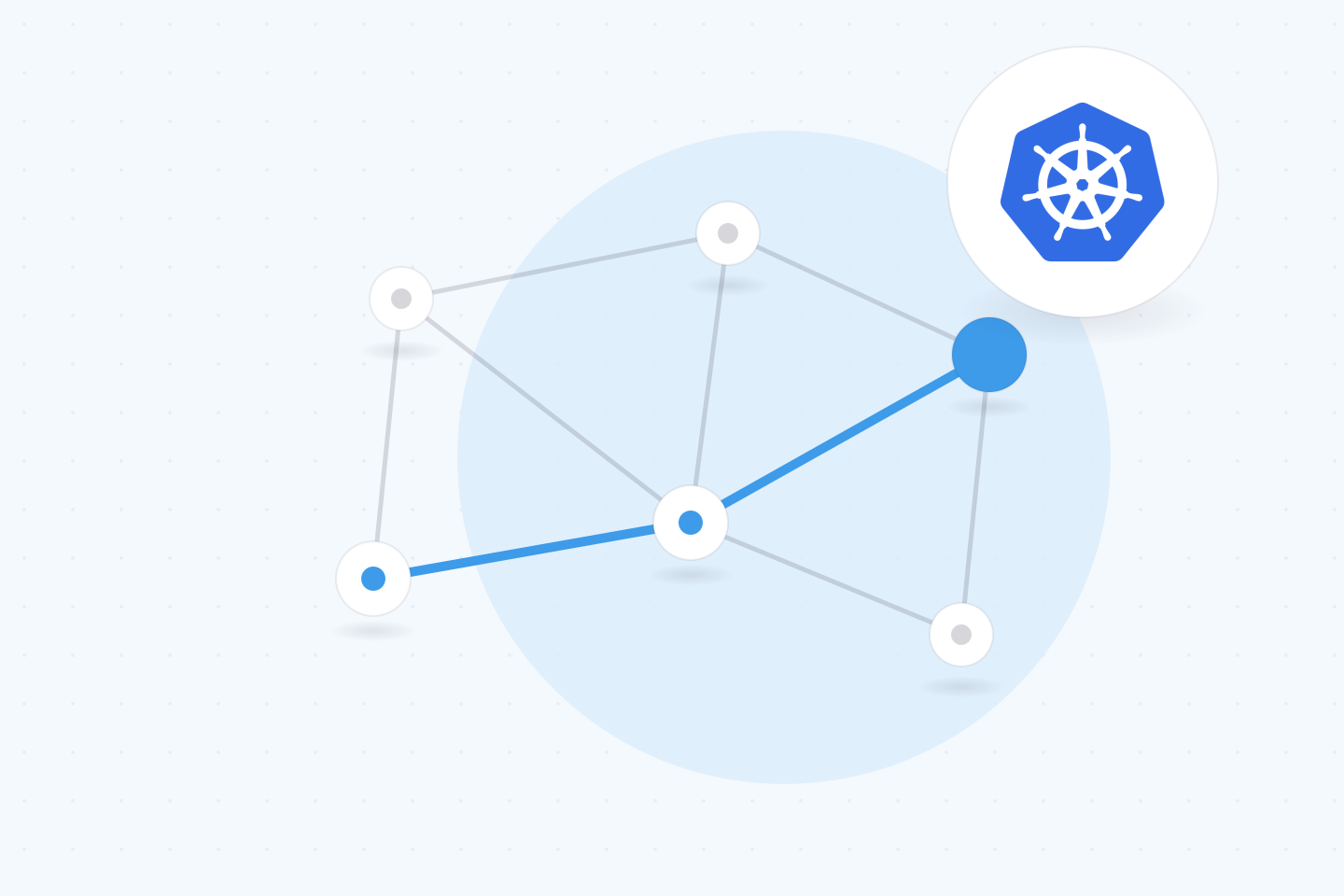
Leveraging Service Mesh for Dynamic Traffic Routing in Shared Kubernetes Environments
How a tenantID header and dynamic routing in Istio or Linkerd let developers test their own service versions in one shared staging cluster, and two ways to map tenantIDs to workloads.
-
 Ephemeral Environments
The Pitfalls of Using Feature Flagging for Testing in Shared Staging Environments
Why feature flagging falls short for testing in shared staging, from slow feedback and code pollution to refactors and resource leaks, and how isolated ephemeral environments avoid it.
-
 Ephemeral EnvironmentsKubernetes
Kubernetes Namespace vs Cluster: Pros and Cons for Test Environments
Namespaces, separate clusters and vCluster compared as Kubernetes test environments: where namespaces work, where they break as teams grow, and why teams move to routing on a shared baseline.
-
 Ephemeral Environments
Transforming Kubernetes Developer Environments: Duplicate Only What Changed
Why per-developer namespaces and clusters in Kubernetes grow costly and slow as services multiply, how routing requests against a shared baseline isolates changes, and when namespaces still fit.
-
 Integration/E2E Testing
Mocking and Testing 3rd-party APIs with Sandboxes
Why third-party APIs are hard to test against, how the API mocking frameworks MockServer, WireMock, Mockoon and Mountebank compare, and how sandboxes switch tests between mocks and real APIs.
-
 KubernetesTutorials/Guides
What’s the Difference Between an API Gateway and a Service Mesh?
A service mesh handles traffic between services in a Kubernetes cluster, and an API gateway is the entry point for external clients. How they differ, and how the Gateway API standardizes both.
No matching posts found.

Stay in the loop
Get the latest updates from Signadot