Governing AI-Generated Code: Ownership, Required Verification and Metrics
Who owns a change an agent wrote, which checks it must pass before merge, and which metrics show the policy works. A one-page AI code policy for engineering leaders.
AI code governance is the policy that decides how changes written by coding agents reach production: who owns each change, what has to be verified before it merges, and which metrics show the policy works. A workable version fits on one page. A named person owns every agent-written change, required checks scale with the change’s risk and run in a production-like environment before merge, and instability metrics split by change origin show whether it holds.
Most teams adopted coding agents before they wrote any of that down. Agents now open pull requests faster than review habits built for people can absorb, and nobody has said who answers for a change once the session that wrote it has ended. The checks worth requiring are the ones in the complete guide to verifying AI-generated code before merge.
Making them policy is a leadership job, because each part needs a decision nobody else on the team can make. Someone has to decide who answers for a change, how much risk each check has to cover, and which number counts as success.
What is AI code governance?
AI code governance is a written policy that holds agent-written changes to the same bar as human ones, plus the guardrails that enforce it in the merge gate. It isn’t a ban on AI tools, and it isn’t a list of approved assistants.
The policy has three parts, and each answers a question that used to answer itself. When a person wrote the code, the author owned it. When changes arrived a few a day, a reviewer could read each one closely. When output was steady, delivery numbers moved only when the process changed.
Coding agents broke all three assumptions at once. A developer running Claude Code, Codex or Cursor can start several changes in an hour, close the sessions, and come back to a queue of pull requests. The policy restores each answer on purpose.
AI coding guardrails are the enforced part of the policy: the rules a branch ruleset, a required status check or a code owners file applies without anyone having to remember them. A rule that lives only in a wiki page is advice.
Who owns an agent-written change?
The person who started the agent owns the change, and a different person approves it. Owning it means they have read the diff, can explain it, and answer for it in an incident review, as if they had typed it.
GitHub built the second half into its own coding agent. When a repository requires approvals, the approval of the person who asked Copilot to open a pull request doesn’t count toward the required number, so another reviewer has to approve it before it can merge (GitHub Docs). The requester is too close to the change to be its only check.
Open source projects reached the first half by policy. The Fedora Council’s AI-assisted contributions policy, approved in October 2025, holds contributors responsible for everything they submit, whether or not a tool generated it. It also requires disclosure when a significant part of a contribution is taken from a tool without changes (The Register).
For a company, three rules carry this over:
- One named owner per change. The person who started the agent, recorded on the pull request. An agent is never the owner, and neither is a team.
- Disclosure in the commit. A trailer such as
Assisted-by:records which agent produced the change, so incident reviews and metrics can tell agent work from human work. - A second person approves. The approver is never the owner, and for high-risk changes it’s a code owner of the touched paths.
What has to be verified before merge?
Every agent-written change runs the checks its risk tier requires, before merge, and the pull request carries the results. Tiers keep the policy affordable: a copy fix and a payments change shouldn’t wait for the same suite.
Three tiers cover most teams:
| Tier | Examples | Required before merge | Approver |
|---|---|---|---|
| Low | Docs, copy, config with no runtime effect | Unit tests, lint and type checks | Any reviewer who isn’t the owner |
| Standard | Most service changes | Low, plus integration tests in the change’s own environment, with results on the pull request | A reviewer from the owning team |
| High | Payments, auth, schema migrations, shared libraries | Standard, plus contract and end-to-end suites and a security scan | A code owner of the touched paths |
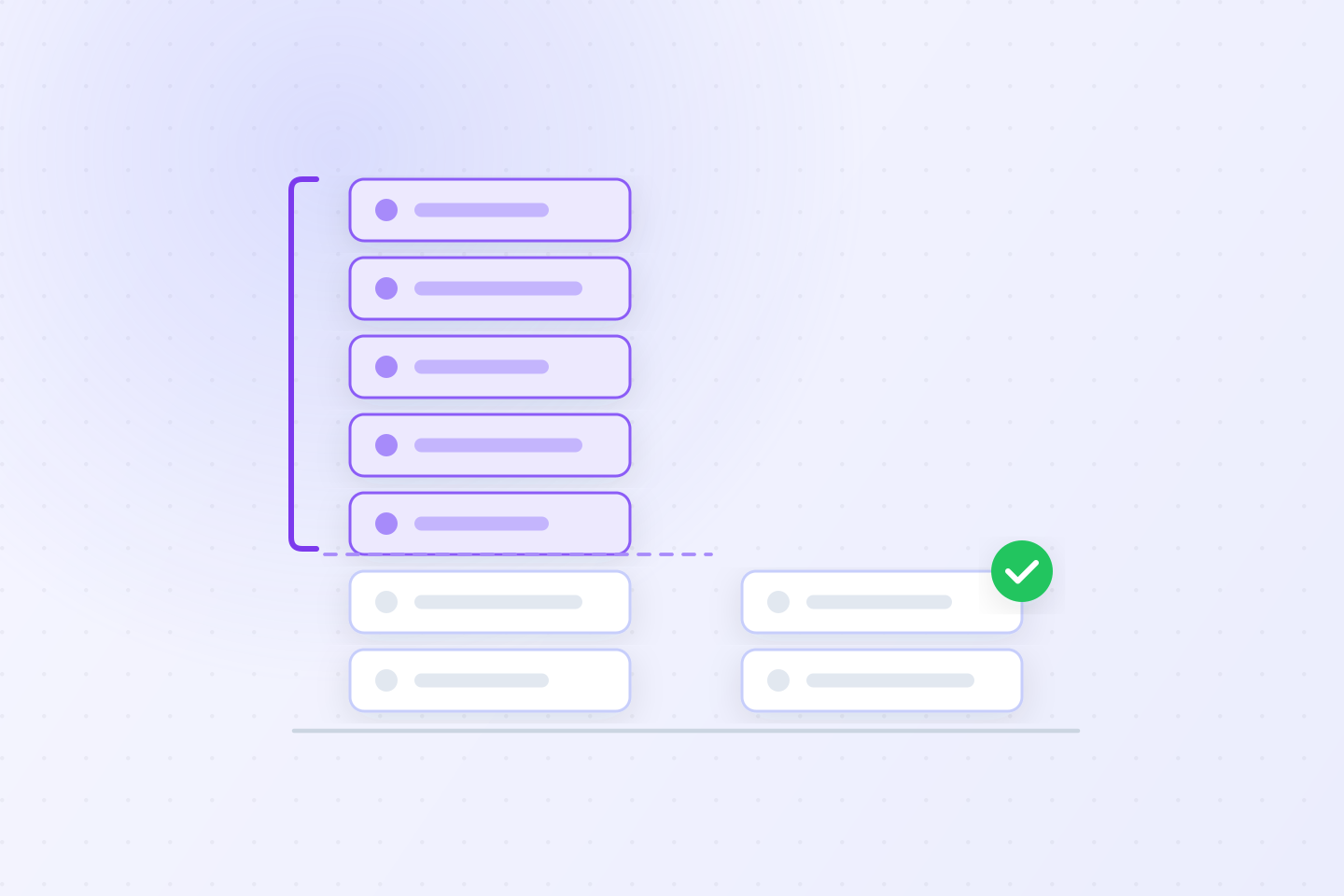
This is how the checks stack up from one tier to the next.
Two rules keep tiers from drifting. The gate sets the tier from the paths a change touches, so nobody downgrades their own change. A change that touches two tiers takes the higher one.
Evidence on the pull request is what frees a reviewer to judge intent. It names which checks ran, in which environment, and against which versions of the services the change calls, with links to the results. What a passing gate should guarantee is a decision of its own, worked through in what a green check on a pull request should promise.
Why do the required checks need a production-like environment?
The checks that catch agent mistakes need the running system, so the policy has to say where they run. An agent’s unit tests usually pass, because the agent wrote both the code and the tests. Its mistakes surface where the change meets other services: a renamed response field, a new call pattern, a migration another service reads.
A shared staging environment can run those checks, but only for one change at a time. At agent volume, required checks that queue for staging get waived, and a policy people waive every week teaches the team to ignore it. A full copy of the stack per pull request removes the queue, at a cost that grows with every service and every open change.
This is what Signadot does. Each pull request gets a Sandbox, Signadot’s lightweight ephemeral environment, which runs only the services the change modified and shares the stable versions of everything else already running in your Kubernetes cluster. CI creates it for every pull request through the GitHub Actions integration or the CLI, and it’s deleted with the pull request.
The standard and high tiers then run as Jobs: your existing Playwright, Postman or custom suites, run in the cluster against the change’s Sandbox, with output streamed back to CI. Agents can run the same checks before they open the pull request, through Signadot’s MCP server and agent skills, so most failures never reach a reviewer. The setup is laid out in ephemeral environments for coding agents.
How do you turn the policy into AI coding guardrails?
Put each rule where the merge gate enforces it. Four settings in GitHub carry most of the policy, and other platforms have their own names for the same controls.
- Code owners per path. A code owners file maps high-risk paths to the team that must approve changes to them, which sets both the tier and the approver.
- Rulesets on the default branch. Rulesets require approvals, code owner review and each tier’s status checks, with no bypass for ordinary contributors.
- Code owners on the checks themselves. Acceptance tests, CI workflow files and the code owners file need a person’s review to change, so an agent can’t rewrite a check in order to pass it.
- An origin label. Every agent-written pull request carries a label or trailer. The metrics below depend on it.
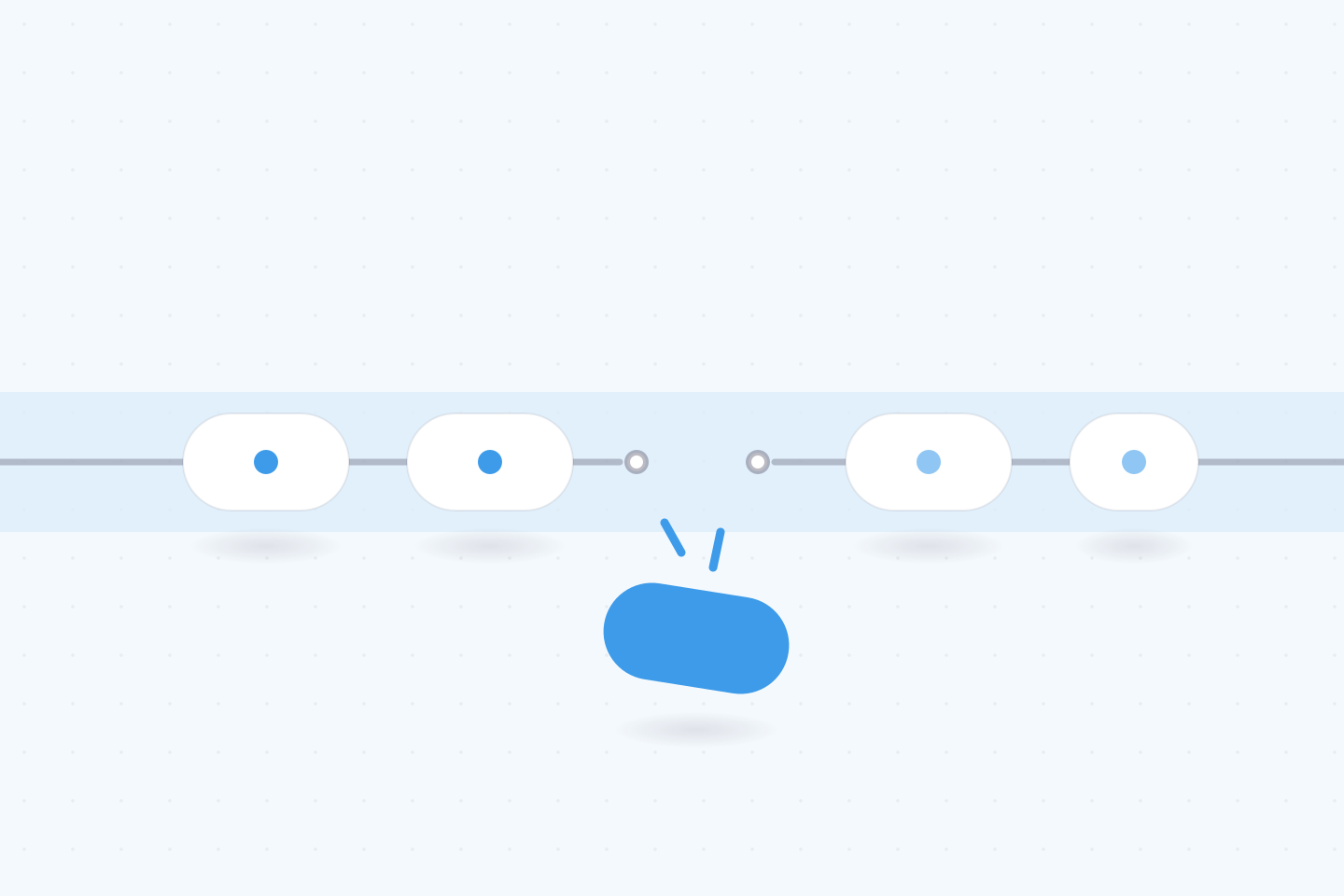
Here is the order the gate applies them in.
Which metrics show AI code governance is working?
Split DORA’s instability metrics by change origin, and track three numbers about the policy itself. If agent-written changes fail and get reworked no more often than human ones while their volume grows, the policy is working.
DORA measures software delivery with five metrics. Two of them measure instability: change fail rate, and deployment rework rate, the share of deployments that are unplanned and happen because of an incident in production (DORA). Computed for the whole team, they hide the question you care about. Computed separately for agent-written and human-written changes, using the origin label, they show whether agent work meets the same bar.
Then track the health of the policy itself:
- Owner coverage. The share of agent-written pull requests with a named owner who isn’t the approver. Anything under 100% is a gap.
- Evidence coverage. The share of standard and high-tier merges whose pull request carries results from the change’s own environment.
- Gate overrides. How often required checks are bypassed or waived, and by whom. A rising number means the checks are too slow or too noisy.
Leave self-reported speedup off the scorecard. METR runs controlled studies of how AI tools affect developer work, and it found developers’ own speedup estimates “can be quite unreliable” (METR). Count outcomes from the delivery system instead. For the wider signals that unverified work is piling up, read how to tell if your team is carrying verification debt.
How do you roll out an AI-generated code policy?
Start with the rules that cost nothing, then add the checks that need an environment. A practical order:
- Label agent-written pull requests and record an owner on each.
- Turn on the second-approver rule in your default branch’s ruleset.
- Map paths to tiers in the code owners file, starting with payments, auth and migrations.
- Give every standard and high-tier pull request its own production-like environment, and make its checks required.
- Report change fail rate and deployment rework rate by origin each month, next to the three policy numbers.
Steps 1 and 2 take an afternoon, and they produce the data everything after depends on. Without the origin label, you won’t be able to tell next quarter whether agent changes are why your change fail rate moved.
Frequently asked questions
What should an AI-generated code policy include?
Three parts: ownership, required verification and metrics. Name one person who owns each agent-written change, and require a different person to approve it. Set required checks by risk tier, run them before merge in a production-like environment, and put the results on the pull request. Then track change fail rate and rework rate separately for agent and human changes, plus how often the gate is bypassed.
Who is accountable when AI-generated code causes an incident?
The person who started the agent and owns the change, the same as if they had written it by hand. The approver shares responsibility for the review, as with any change. An agent can't be accountable, and neither can the vendor of the tool. That's why the policy records a named owner on every agent-written pull request: an incident review needs a person who can explain why the change looked safe.
What are AI coding guardrails?
AI coding guardrails are the parts of an AI code policy that the merge gate enforces on its own. Typical ones are a code owners file that routes risky paths to the right approvers, branch rules that require a second approver and specific status checks, code owner review on test and CI files, and a label that marks agent-written pull requests. A rule that lives only in a document is guidance, not a guardrail.
Should AI-generated pull requests get a different approval process from human ones?
Mostly no. Hold them to the same bar as human pull requests, with two additions: the person who started the agent can't be its only approver, and the required checks run before review rather than after merge. Agents open more pull requests than people do, so a check that runs late, or that depends on a reviewer spotting the problem, fails more often.
Which metrics show an AI code governance policy is working?
Change fail rate and deployment rework rate, split by whether an agent or a person wrote the change. If agent-written changes fail and need unplanned fixes no more often than human ones while volume grows, the policy holds. Track three policy numbers alongside them: owner coverage, evidence coverage on standard and high-risk merges, and how often required checks are bypassed.