
Blog topic
Agents
Watch Claude Code Validate a Microservices Change in a Closed Loop
Anirudh Ramanathan · June 4, 2026
Two Claude Code sessions, the same microservices task. One ships a change that looks correct. The other uses signadot-validate to catch a cross-service break before calling the work done.
Read more-
 Agents
Code Generation Isn't the Bottleneck Anymore: What Platform Leaders Told Us Over Dinner
Platform, security and AI leaders agreed on one thing at our recent executive dinner: agents made code cheap, and everything after the code is now the constraint.
-
 AgentsEphemeral Environments
Verification Is the New Bottleneck: Takeaways From DZone's Cloud-Native Foundations Trend Talk
Drift, late staging failures and agent pull request volume are moving cloud-native delivery's bottleneck to verification. Key themes from DZone's Cloud-Native Foundations Trend Talk.
-
 Agents
What a Green Check on a Pull Request Should Promise
Most merge gates stop at build, unit tests and contracts. Coding agents clear those easily, so the check that matters most, behavior against the real system, has to run before merge.
-
 Agents
Coding Agents Run Their Own Code Now. How Much of the System Does That Reach?
Greptile, Cursor, Codex and Devin now execute the code an agent writes. In a microservices system, a private runtime with mocks still misses the bugs that live between services.
-
 Agents
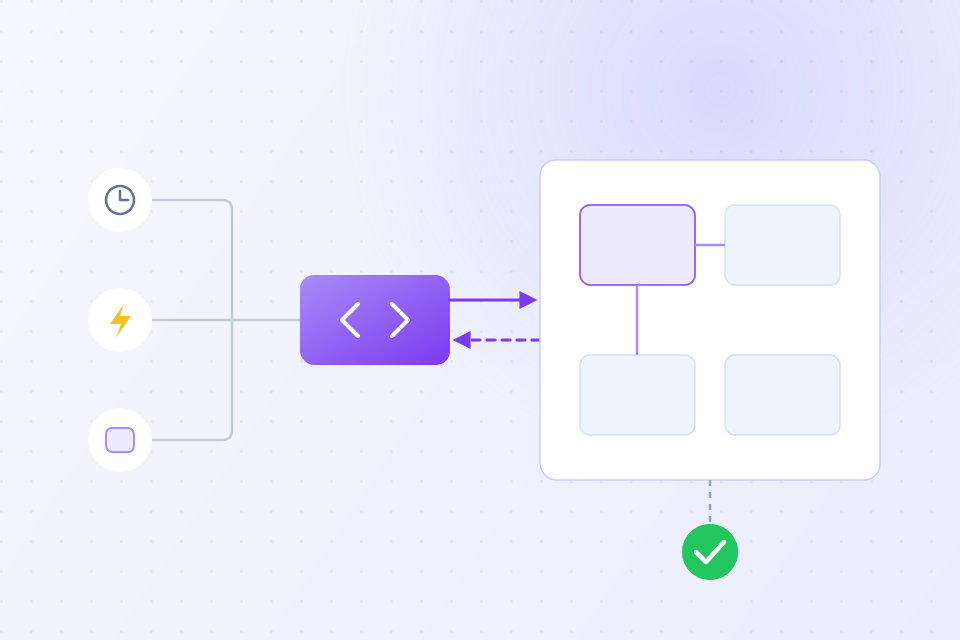
Async Coding Agents Need a Verifier That Isn't a Person
When agents run from events and schedules, nobody is watching to check their work. In a cloud-native system, that check has to happen in a real runtime before the PR opens.
-
 Agents
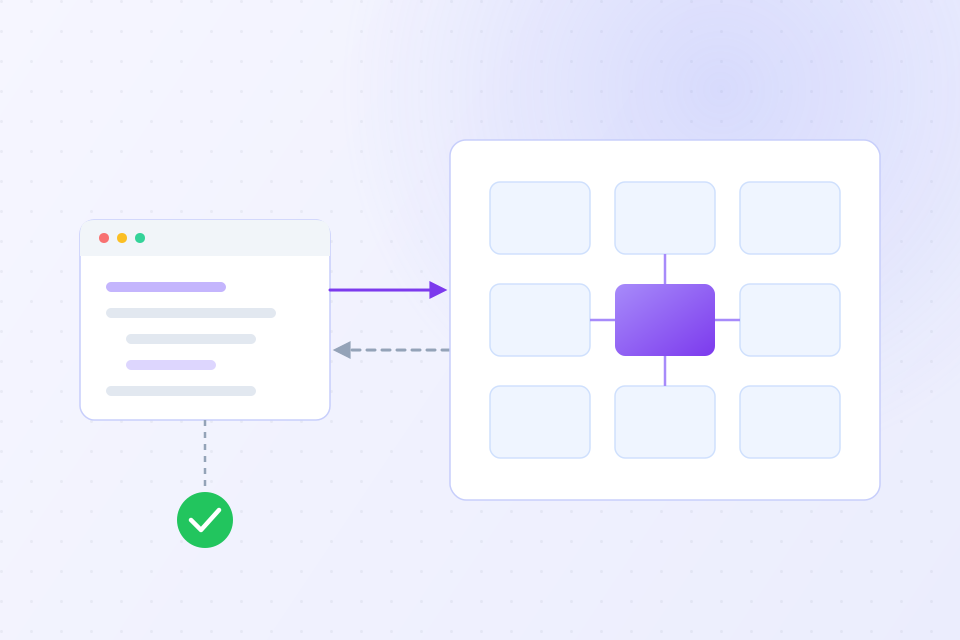
Coding Agents Need a Runtime to Check Their Work Against
Coding agents self-correct only when something tells them whether a change worked. In a cloud-native system, that signal comes from a running environment, not from local checks.
-
 Agents
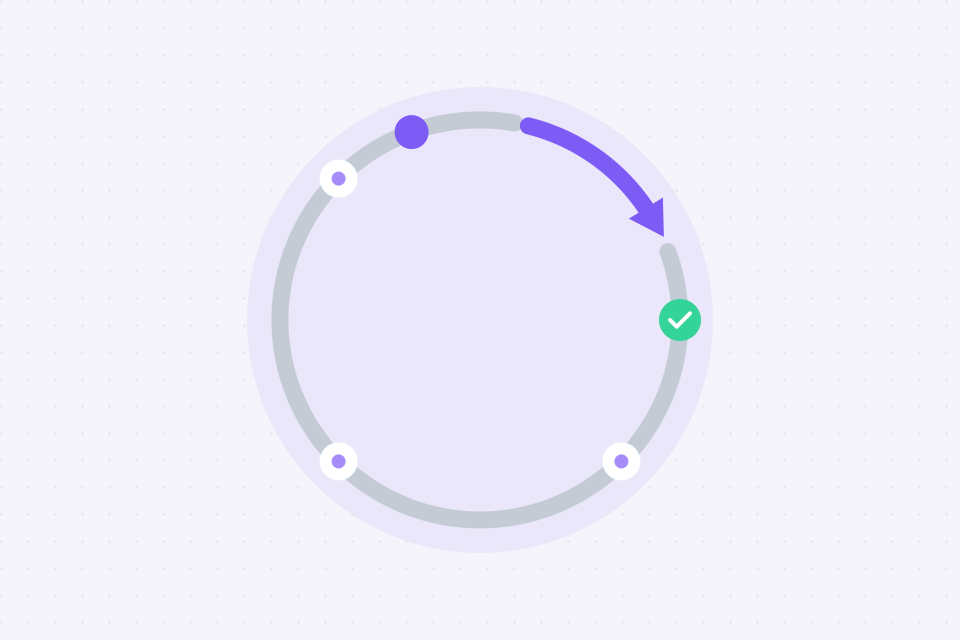
Agent Loops Don't Have a Token Problem. They Have a Feedback Problem.
Loop-based development means agents run longer, in parallel, and without anyone watching each attempt. What that costs is decided by the verification surface under the agent, not the token price.
-
 Case StudiesEphemeral EnvironmentsAgents
LegalOn Technologies' Agent-Ready Golden Path on GKE
How a Tokyo-based legal AI company adapted its internal GKE platform for AI agents, connecting local development to the cluster and validating every PR with Signadot preview environments before merge.
-
 AgentsIntegration/E2E Testing
OpenSpec + Signadot: Integration Tests Inside the Agent Loop
Austin Xu wired Signadot sandboxes into his AI coding agent workflow and moved integration testing inside the agent's loop. A high-level look at his journey, the integration, and the results.
-
 Tutorials/GuidesAgents
Catch Performance Regressions Before the Pull Request With k6 and Signadot Plans
How a reusable Grafana k6 plan running inside the Kubernetes cluster caught a rate limiter that added six seconds of p95 latency, before the change ever became a pull request.
- Agents
Watch Claude Code Validate a Microservices Change in a Closed Loop
Two Claude Code sessions, the same microservices task. One ships a change that looks correct. The other uses signadot-validate to catch a cross-service break before calling the work done.
-
 Product AnnouncementsAgents
Signadot Plans
Agent-native validation workflows that run against real dependencies in your Kubernetes cluster, built on a governed catalog of typed primitives your platform team controls.
No matching posts found.

Stay in the loop
Get the latest updates from Signadot